 By: Dina, Salesforce Consultant & Trailblazer
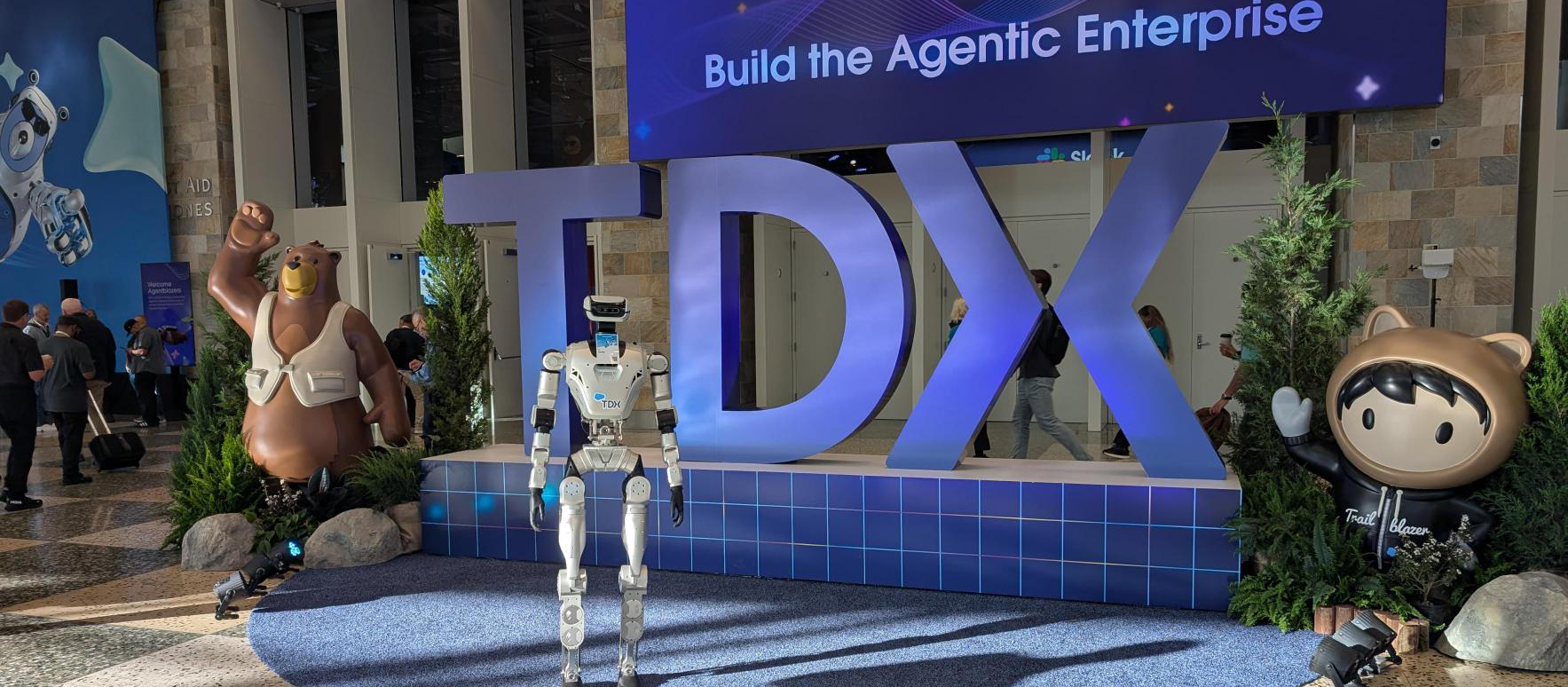
TrailblazerDX 2026 was an ode to Voice, Velocity, and, most importantly, Vibes.
I wasn’t sure what to expect from my first TrailblazerDX. I went bright-eyed and bushy-tailed, and approached the experience with pure curiosity and a thirst to see it all.
The keynote and the conference delivered on the excitement, from technical advancements, motivational customer stories, and the award of multiple golden sweatshirts! Post conference, three main themes emerged: Voice, Velocity, and Vibes.
Agentforce Voice
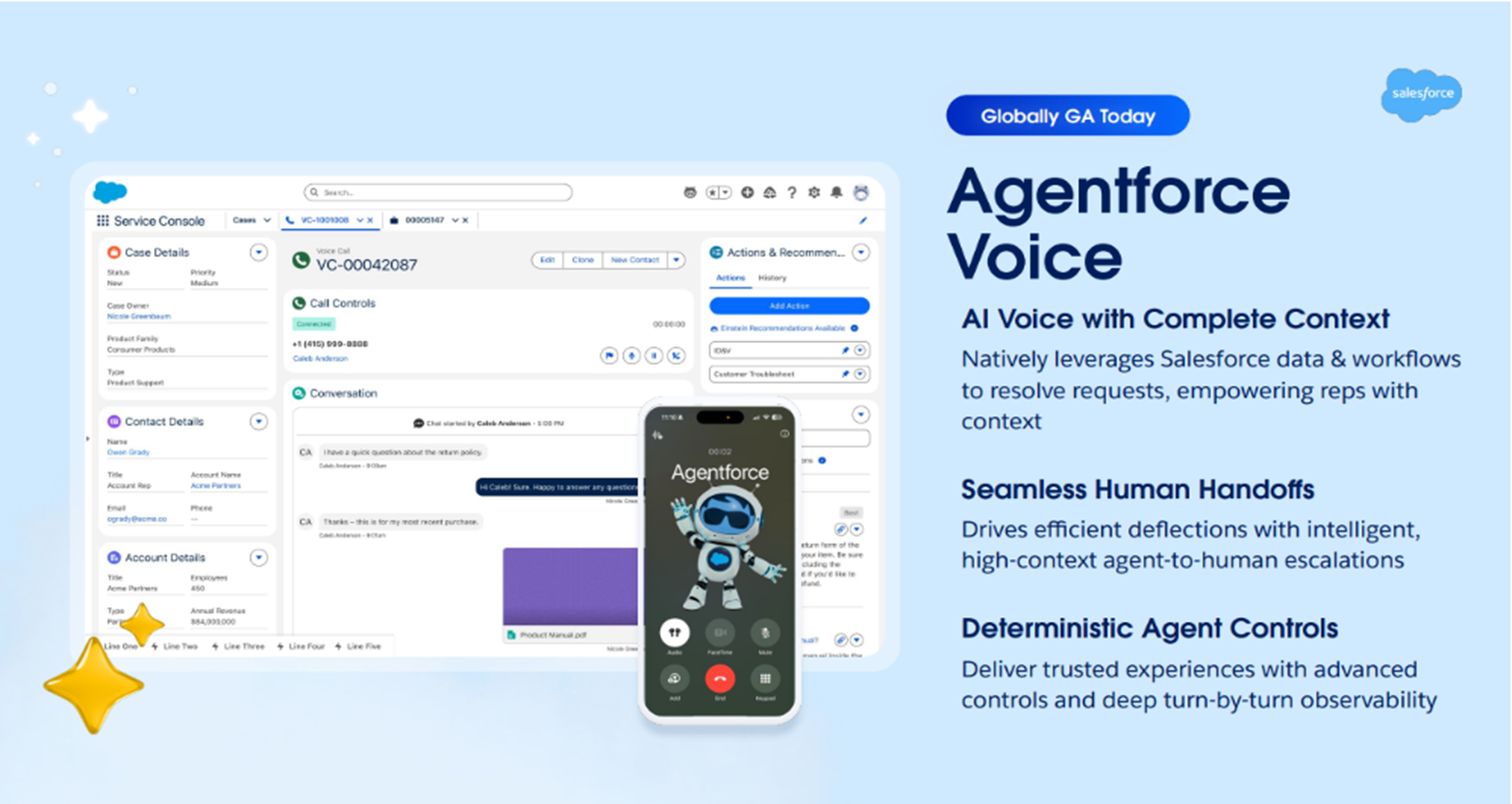
AGENTFORCE VOICE – GA:
The keynote and breakout sessions made one thing clear. Agentforce Chat was not enough. In a world where 71% of customer conversations are on the phone, AI voice is the next logical step. Salesforce heard and delivered. Agentforce Voice is now the primary way to use Agentforce cross-platform. Whether it’s for a Sales Representative to ask questions about their opportunities in the mobile app or for customer-facing agent conversations, Agentforce is now easier to converse with than ever. Voice is beginning to adopt multilingual support as well, with French in GA now and Italian, Japanese, Spanish, and more rolling out to Beta in the next couple of months.
Velocity
Headless360 – GA:
The biggest announcement from TDX was Headless360, which transforms Salesforce from a clunky, developer-only customizable platform into an agentic experience. This now allows any agent to speak to Salesforce while respecting OWD, security, and permissions, updating fields, creating LWC’s, and interacting with the org. This revelation greatly changes the role of a developer moving forward. Instead of being the builders, we are now prompt engineers.
MODEL CONTEXT PROTOCOL (MCP) – GA May:
MCP and Multi-agent orchestration support developers by enabling direct connections to any service, facilitating conversations with a single agent, and reducing agent sprawl. Provide your agents with secure access to your organization’s data and reduce development time with standardized no-code connections.
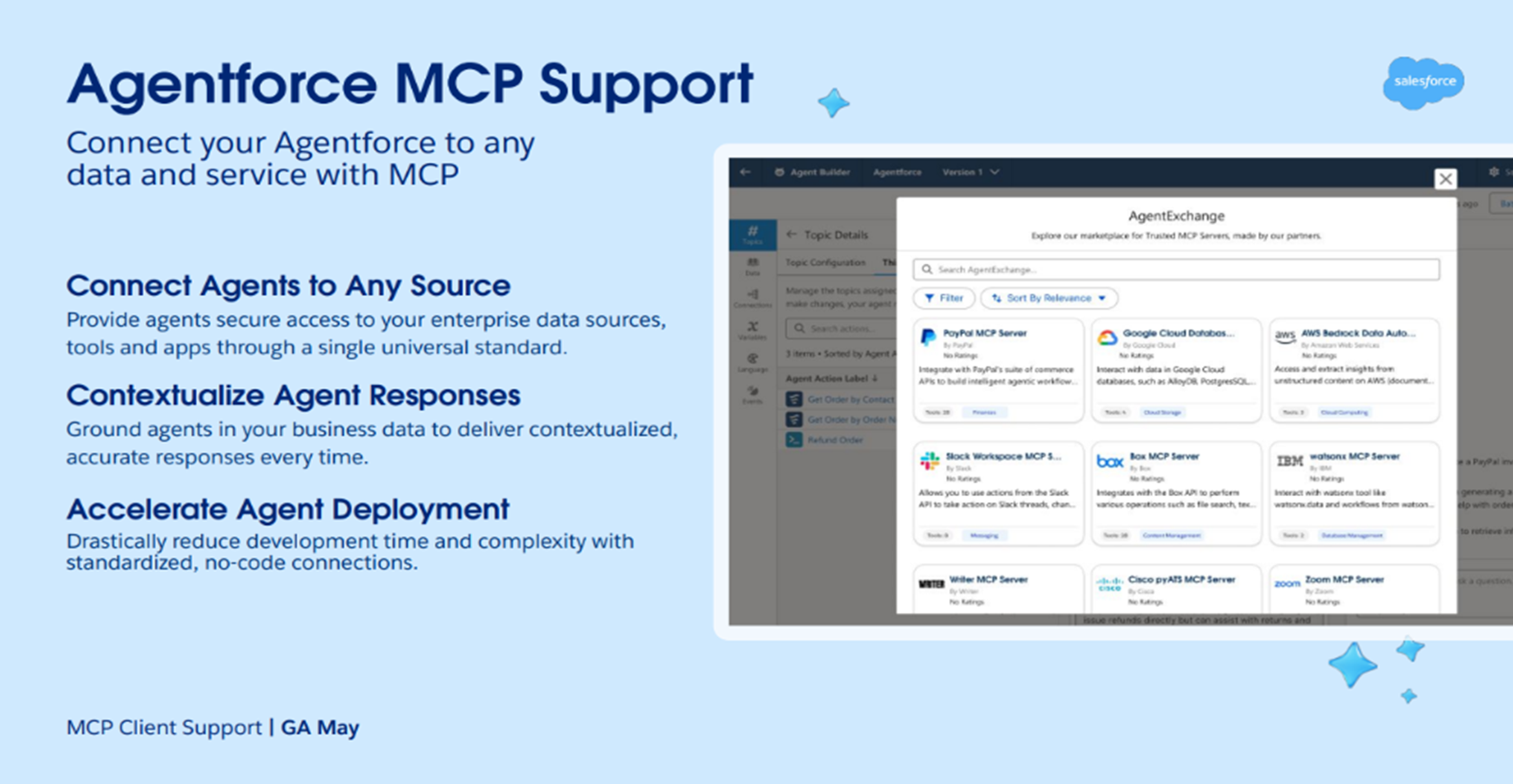
AGENTEXCHANGE – GA:
Combine all that with the new AgentExchange, a marketplace of over 13,000 ready-to-use agent skills, and the build time for complex enterprise solutions has decreased significantly.
MULTIFRAMEWORK– Beta:
Finally, adding React support enables teams with traditional web development skills to build applications that run natively on Salesforce infrastructure. This allows developers to build rich, interactive React apps (and more framework support is in the works) directly in their Salesforce org.
Agentforce Vibes
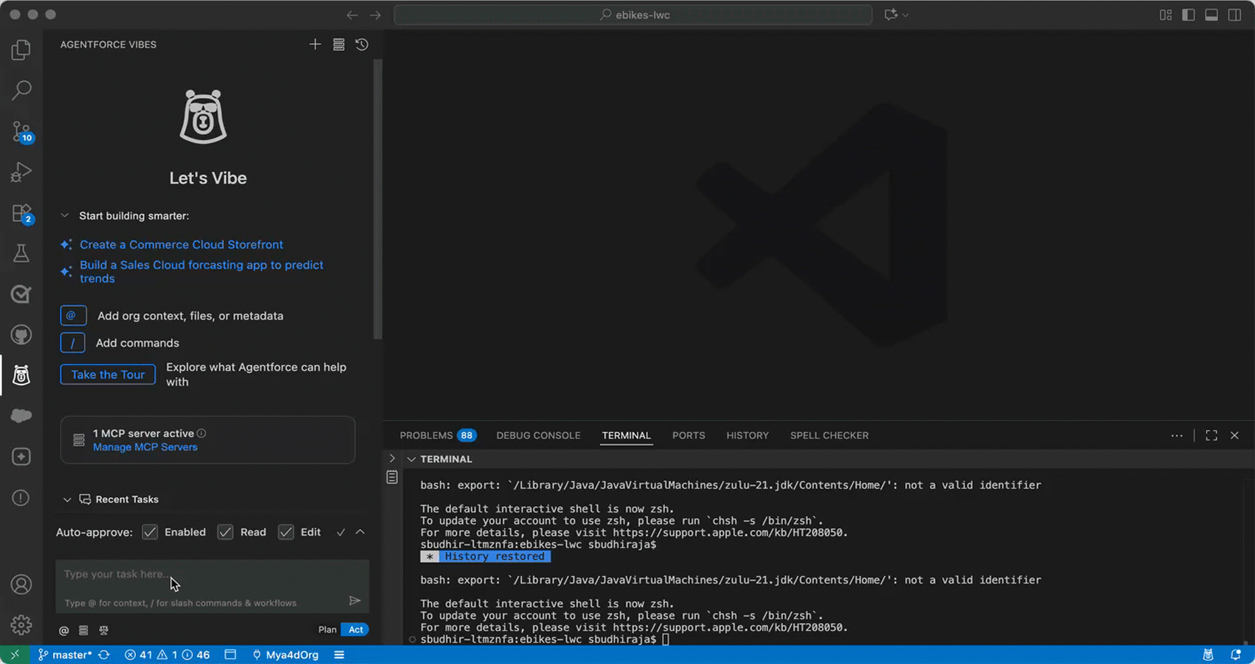
AGENTFORCE VIBES – GA:
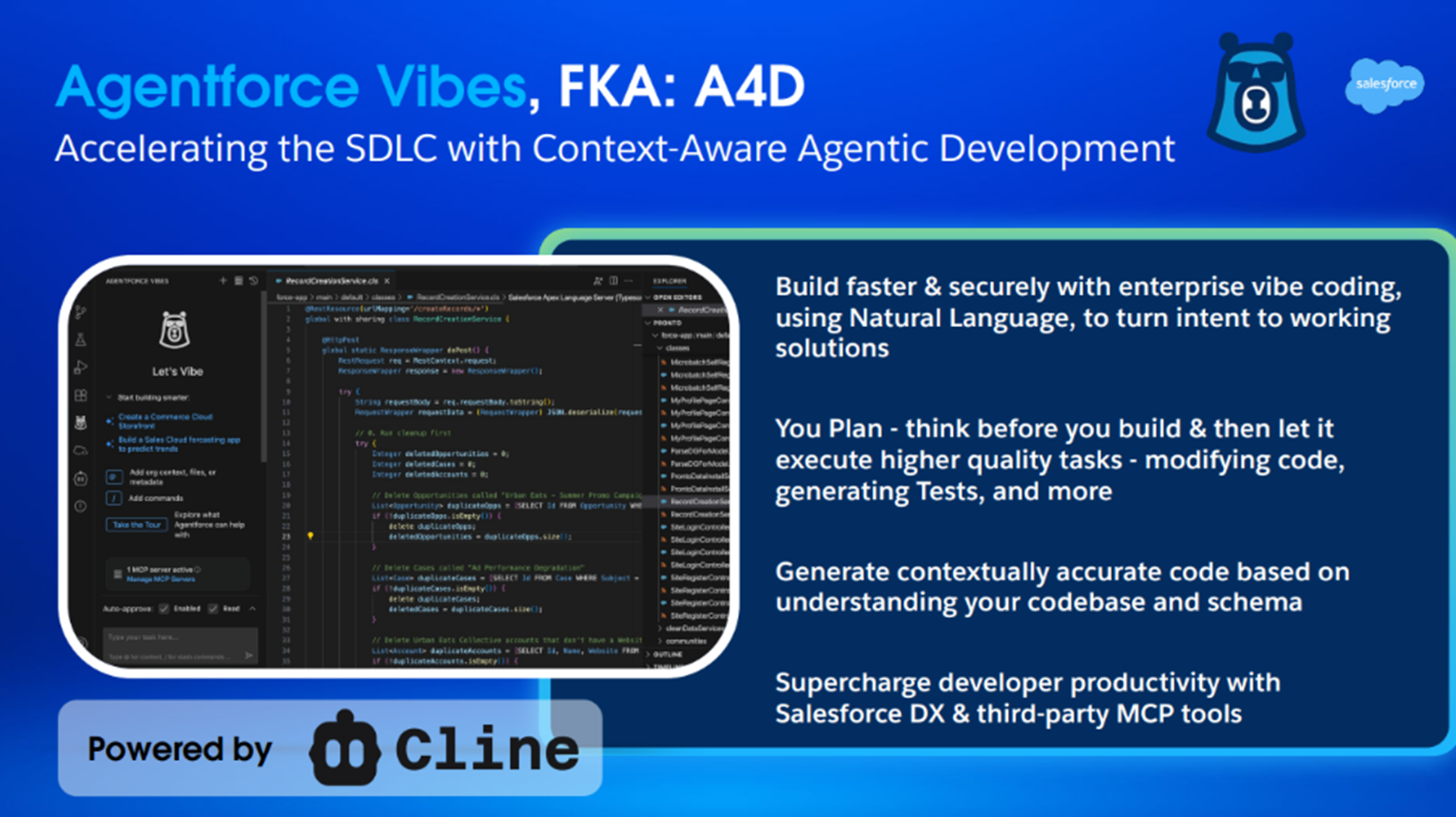
You may have heard the term “Vibe Coding,” but what does it mean? This year’s favorite buzzword means to develop through natural conversation rather than coding. Agentforce Vibes, has made this easy by letting a user type text, upload images, or use audio prompts, in order to request that the agent create flows, LWCs, or permission sets directly in your org. Safety guardrails, which require your permission before deploying or offer the option to plan before building, help reduce the number of prompt changes needed, thereby reducing the number of tokens used. This is great for prototyping and creating proof-of-concepts in record time. However, the caveat remains that just because something has been built quickly does not mean it was done perfectly. Developer oversight is still needed and will continue to be required.
The Bottom Line
TrailblazerDX 2026 highlighted the quickly evolving development landscape. The shift from manual coding to agentic processes is underway. With Voice, Velocity, and Vibes, the future of Salesforce development relies not only on platform capabilities but also on our ability to effectively direct these agents to accomplish our objectives.